Why Is Asphalt Black In Massachusetts?
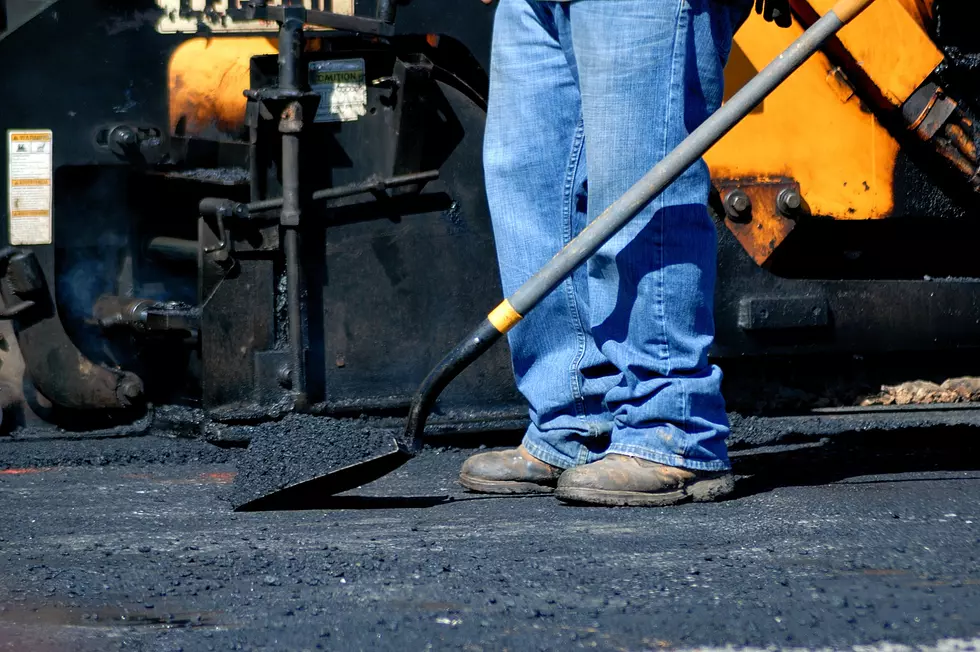
The temperature in Massachusetts has been scalding the past couple of days with heat indexes reaching over 100 degrees. I recently had a new driveway paved and when that asphalt bakes in the hot sun, it can soften up a bit. It behooves you not to perform a bunch of three point turns when your driveway is in this condition, you'll churn up your asphalt!
If you notice in the northern part of the U.S., major roadways and side streets alike are paved with asphalt and not concrete like the southern states. This is done for two reasons, one it's cheaper, the other is that concrete will crack in the winter unlike more flexible, malleable asphalt.
Why Is Asphalt Black In Massachusetts?
But why is it black?
Ingredients:
Asphalt is made of two ingredients. The first is a mixture of crushed stone, gravel, and sand and this makes up 95% of hot mix asphalt. The other 5% is bitumen which is black and holds the ingredients together. These components are carbon, hydrogen, oxygen, and trace amounts of iron. -williespaving.com
Bitumen is a black viscous mixture of hydrocarbons obtained naturally or as a residue from petroleum distillation.
Black, although seen as a negative in the summer, is actually a positive in the winter. The black color of asphalt absorbs the heat from the sun and helps melts snow and ice quicker for better driving conditions.
Brown asphalt
Some asphalt is brown because of copper and iron deposits which give it brown color but it is not widely used in larger roads because it is not visible.
LOOKS: Things you'd likely see in an awesomely '80s garage
Gallery Credit: Stephen Lenz
More From WBEC FM